
Backtalking Adoption
Why truth-telling may be the most important shift happening in adoption right now

Last night, I went to Seattle’s Town Hall to hear Kimberlé Crenshaw speak about her new memoir, Backtalker. Throughout the evening, she spoke about the ways institutions preserve power by punishing inconvenient truths.
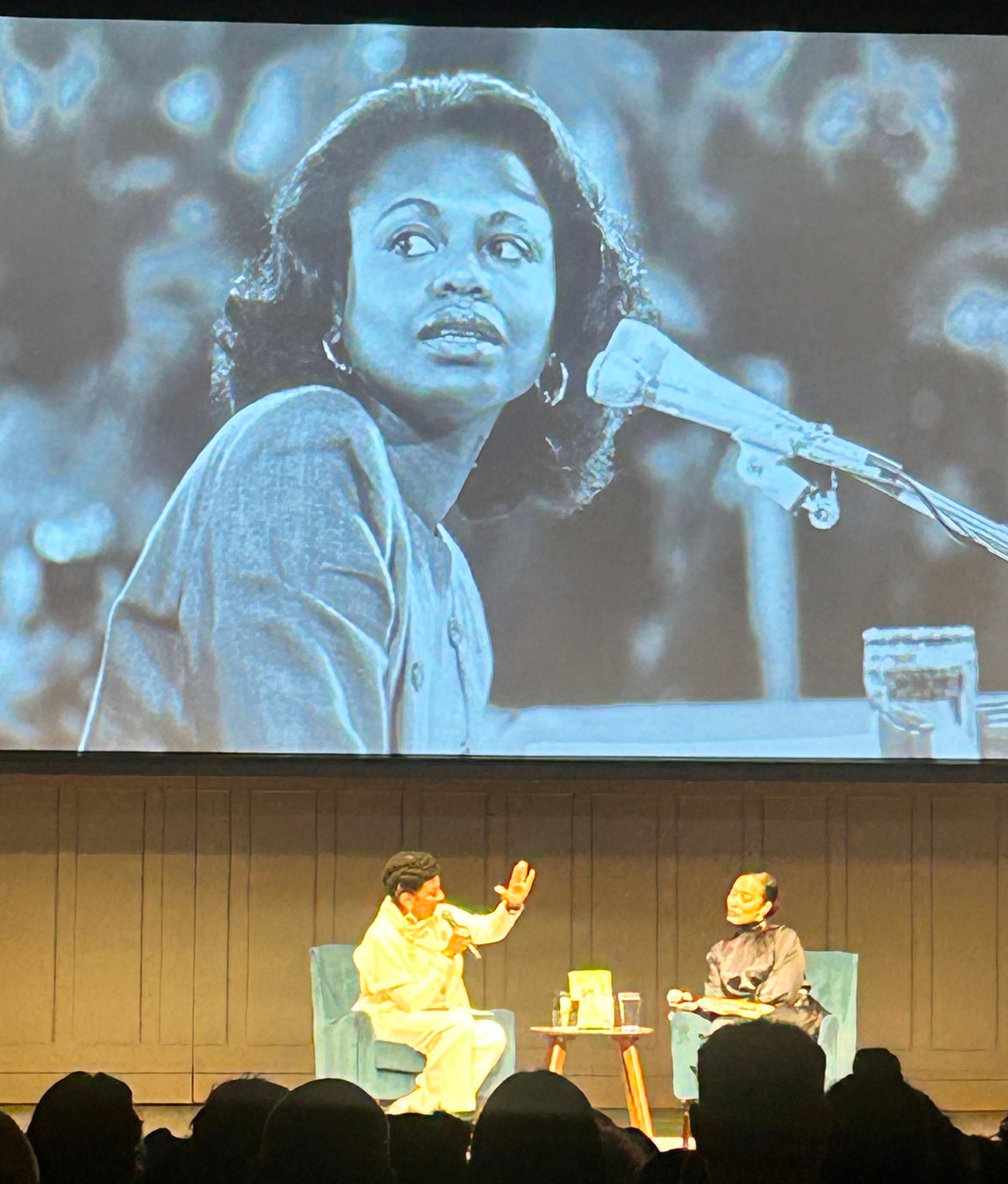
She reflected on the Anita Hill hearings and how Black women, in particular, were pressured to choose between racial solidarity and gender solidarity. Between supporting a Black Supreme Court nominee or believing a woman who reported sexual harassment. She also shared a story from her time at Harvard Law School, when she was invited to Harvard’s exclusive Fly Club by a Black male friend who was proud to be among its first Black members, only to be told upon arrival that because she was a woman, she would need to enter through the back door. Rather than challenge the policy, her peers encouraged her not to “make a scene.” She terms this an intersectional bind.
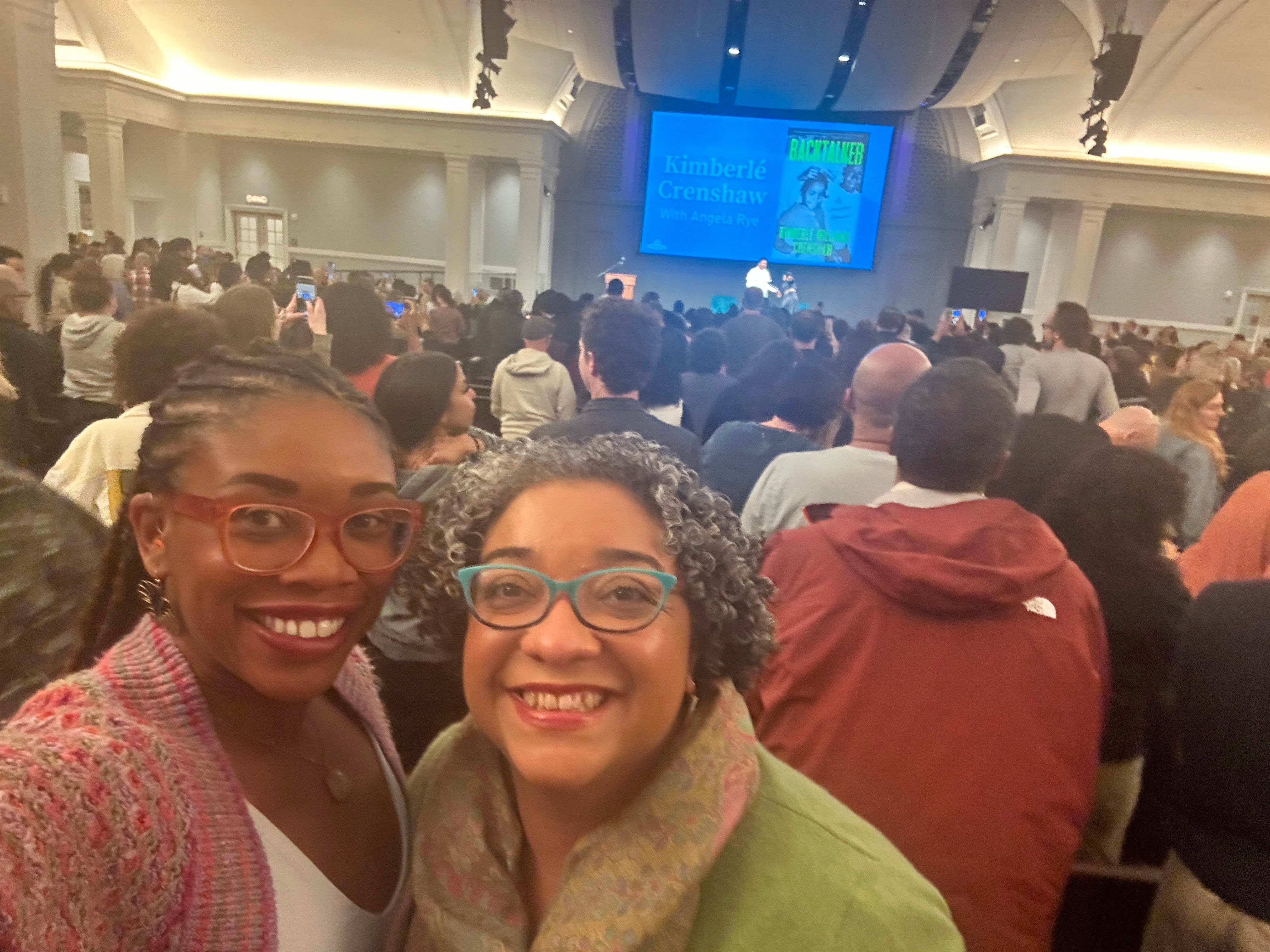
The throughline in all of it was clear: the truth matters, and people get deeply uncomfortable when too many people start naming what has been normalized. Kimberlé Crenshaw described “backtalking” as the willingness to question the rules, challenge the accepted narrative, and refuse silence simply because speaking up makes others uncomfortable.
As I listened, I kept thinking about the adoption conversations I’ve been having lately and how some of them may fit into the “backtalking” category. Just this past week, I consulted with three adoptive families who were interested in figuring out how to tell the truth. Not whether they should tell it, but how.
I recently spoke with an adoptive mother and the child’s biological grandmother as they grappled together with how to tell their school-aged child that his biological father may spend the rest of his life in prison. Together, we brainstormed ways to frame the conversation through concepts the child already understood — that actions have consequences, and that consequences do not make someone inherently bad. We talked about maintaining connection and humanity, including having his father create artwork the child could hang in his bedroom as a reminder that he is still loved. Years ago, the sentiment I heard far more often was: “I don’t think I am going to tell them. It’s too sad. Maybe when they turn 18.”
One adoptive parent shared: “My child recently asked whether I thought their birth mother’s life improved after placing them for adoption. And I realized… I don’t actually know. I avoided knowing this information at the time of the adoption. I didn’t want to look too closely at whether their biological family might have been able to parent if they’d had more support, or if I had advocated differently. I worried that then I wouldn’t get to have the baby!”
Years ago, that same conversation might have sounded like:
“You grew in another woman’s tummy, but you were always meant to be ours.” End of story.And recently, one prospective adoptive parent told me: “I used to think adopting a baby was helping solve a problem. But now I know that if we really wanted to help through adoption, we’d adopt a teenager in foster care who is legally free and actually wants to be adopted. The truth is, I want to parent a newborn. That’s what this is about.”
(To be clear, my intention in sharing this example is not to shame people for wanting to parent a baby. It’s to stress that being honest about the reality matters. The reality is that for every pregnant woman considering relinquishment, there are, on average, 50 prospective adoptive families hoping to adopt that infant. That is, by definition, a system where the demand outpaces supply. Meanwhile, there are roughly 35,000 legally free tweens and teens in foster care in the United States with no adoptive family prospects at all.)
Adoptees have spent years explaining that the burden itself is not the complexity of adoption. The burden is the secrecy. What harms adoptees is not simply loss itself, but growing up surrounded by stories that deny, minimize, or sanitize the conditions that created that loss. Children do not benefit from curated mythology. They benefit from emotionally sturdy adults who can tolerate complexity alongside them. It’s exciting to see this ethical shift and hear from more adoptive parents who are asking how to tell the truth instead of whether they should.
Listening to Kimberlé Crenshaw reminded me that real change often begins the moment people stop protecting the narrative and start telling the truth out loud. Or, as Crenshaw might call it: “backtalkin’.”
With my (adopted) son, we kept his birth story simple at first, and elaborated bit by bit (on what we knew of his history) as he grew. We pray and give thanks to his ancestors and birth parents for bringing him to us- and light candles to his ancestral angels. Always have. Mother’s Day, Father’s Day, Thanksgiving, and his birthday. It “normalizes”the conversation and helps to allow the space to share and explore. He has always asked questions when he’s been ready for answers.
Someday, I anticipate, he may want to investigate finding blood relatives, and I’ve always assured him, that if he wanted me to, I would help. Everyone has a story, and we get to become our own hero.
The three anecdotes you shared are encouraging! I’m glad to see adoptive parents asking better questions.
As adoptive parents, we definitely benefitted from having a good friend who was an adoptee, so when we unexpectedly fell into adopting tweens, we had a good sense of the complexity of these histories and stories.